
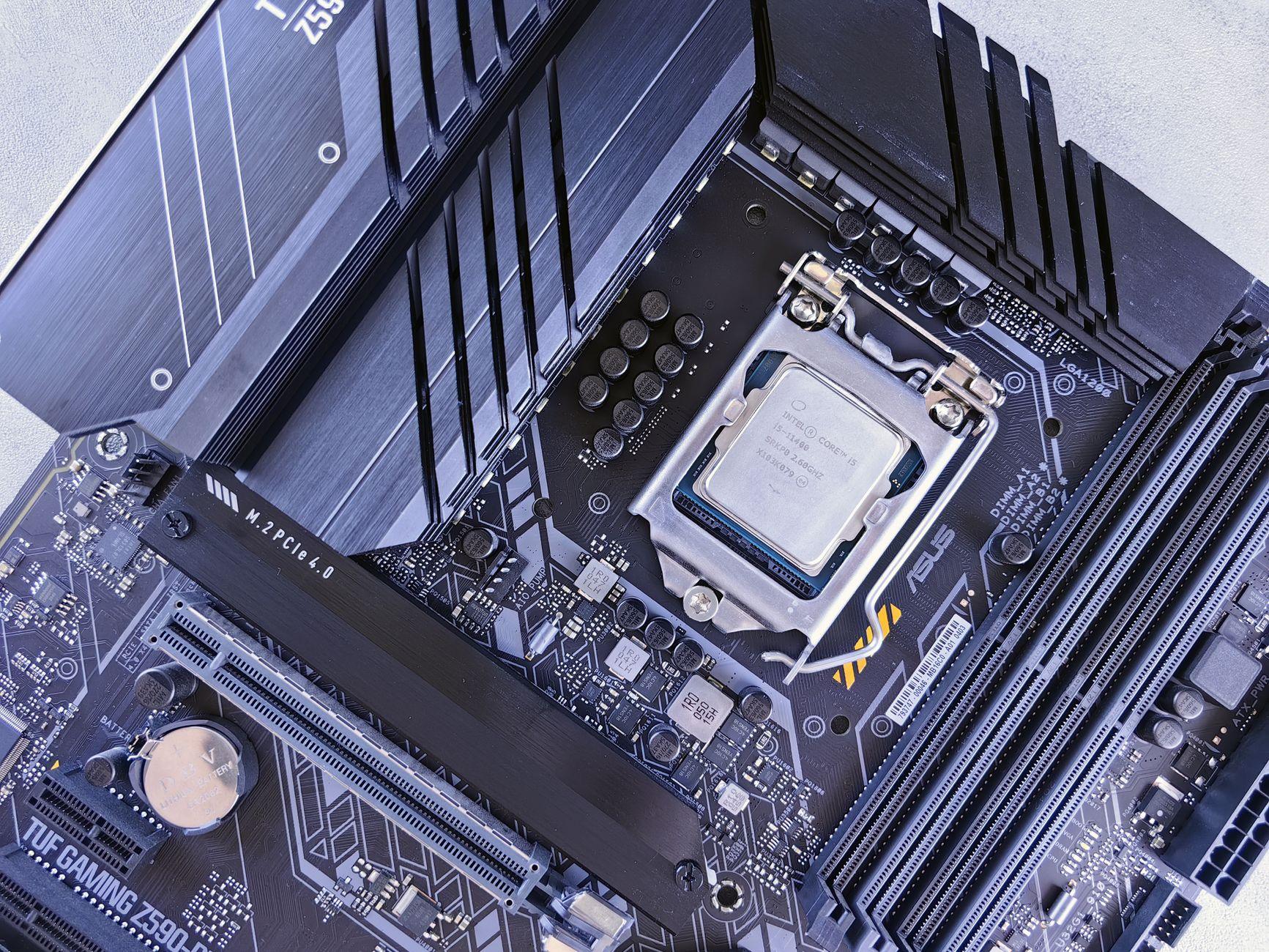

The Multi-Core Conundrum: When Your CPU Isn’t as Smart as It Looks
I remember building my first PC back in the early 2000s. We were all so excited about dual-core processors entering the mainstream. It felt like we were living in the future! Now, we’re staring down 16-core, 32-core, even 64-core behemoths, and yet, some games still chug along like they’re stuck in single-core purgatory. It’s downright frustrating, right? You shell out a pretty penny for that top-tier CPU, only to see your frame rates dip lower than a budget gamer’s expectations in a demanding AAA title.
This whole multi-core thing isn’t as simple as “more cores equals more power” for every single application, especially video games. Think of it like this: imagine you have eight chefs in a kitchen, but they can only prepare one dish at a time, and they all have to wait for the first chef to finish before they can even start chopping vegetables for their dish. That’s essentially what happens with software that isn’t designed to handle parallel processing. The game’s engine, the core code that makes everything happen, might only be built to talk to one core, leaving all the other cores sitting around twiddling their virtual thumbs.
A lot of older game engines, or even simpler indie game engines, were developed back when single-core processors were the norm. They were optimized to do everything sequentially. This means a task, like rendering a frame, has to be completed before the next task can begin. If a game’s code is inherently serial, even having 100 cores won’t make it run faster because it’s bottlenecked by the fact that only one core can process the main instruction thread at any given moment. This is a massive limitation.
It’s not just about the engine, though. Developers have to actively code their games to take advantage of multiple cores. This involves something called multithreading, where a program is broken down into smaller, independent tasks that can be run simultaneously on different cores. For instance, one core might handle the AI logic, another could manage physics calculations, and yet another could be responsible for audio processing. But writing multithreaded code is notoriously complex and time-consuming. You have to worry about things like race conditions and deadlocks, where different threads might try to access the same data at the same time, leading to crashes or incorrect behavior.
Seriously, the amount of effort required to properly optimize a game for high core counts is staggering. It’s not just about adding more threads; it’s about smart thread management and efficient data sharing. A poorly implemented multithreaded game can actually perform worse than a well-optimized single-threaded one because of the overhead involved in managing all those threads. Imagine paying for 8 chefs and they spend more time arguing over who gets to use the cutting board than actually cooking. That’s a real possibility.
Look at something like Microsoft Flight Simulator. It’s a beast of a game, and while it utilizes multiple cores, it still has certain tasks that are heavily reliant on a few powerful cores. This is why you’ll often see high clock speeds on a couple of cores being just as, if not more, important than an excessively high core count for certain gaming workloads. It’s a delicate balance, and frankly, it surprises me how much raw single-core performance still matters.
The issue is also tied to the game’s architecture. Some games might have a main “game loop” that is inherently difficult to split into smaller tasks. This is often the case for the core rendering pipeline. While some parts of rendering, like asset loading or post-processing effects, can be spread out, the fundamental process of drawing each frame might still rely heavily on a single primary thread. This is why a CPU with strong single-core performance, often measured by Instructions Per Clock (IPC) and boost clock speed, can still be a major factor in achieving high frame rates in many games.
Beyond the code itself, there’s also the sheer difficulty of testing and debugging multithreaded applications. Ensuring a game runs flawlessly across a wide range of CPU architectures and core configurations is a monumental task for developers. A bug that only appears when 12 threads are actively communicating is incredibly hard to track down. This complexity often leads developers to prioritize stability and broad compatibility over squeezing every last drop of performance out of the absolute highest core count processors available. It’s why even expensive CPUs from companies like Intel and AMD don’t always translate to proportional gains in every game.
Ultimately, for many developers, especially those working with tighter budgets or on less performance-critical titles, the return on investment for deep multicore optimization might not be there. They might focus on making the game run well on the most common CPU configurations, which often involves a good balance of core count and clock speed, rather than chasing the bleeding edge of 64-core processors. It’s a pragmatic approach, but it leaves gamers like us scratching our heads when our brand-new, ridiculously powerful CPU doesn’t magically make our favorite game run at 144 FPS. It’s a stark reminder that hardware is only one piece of the puzzle; good software design is king.