
When Your Face Becomes a Shadow Puppet Show: The Real Deal About Stream Lighting
I remember my first few streams. I was convinced my internet was the culprit for my grainy video. Turns out, I was sitting with a bright window behind me, turning me into a silhouette. It was awful. That’s the surprising way lighting setup affects streaming quality – it’s not just about looking good, it’s about your audience actually seeing you. Most folks just think they need a decent webcam, but honestly, a cheap webcam with good lighting will often outperform an expensive one in a dark room.
It’s wild how many streamers overlook this, focusing instead on expensive microphones or beefy computers. You can have the most powerful rig in the world, but if your face is lost in shadow or blown out by a harsh light source, your viewers are going to tune out faster than you can say “lag.” We’re talking about creating a connection, and you can’t connect when you look like you’re broadcasting from a cave. My friend, who’s been streaming for years, always says the lighting is the “silent killer” of good streams.
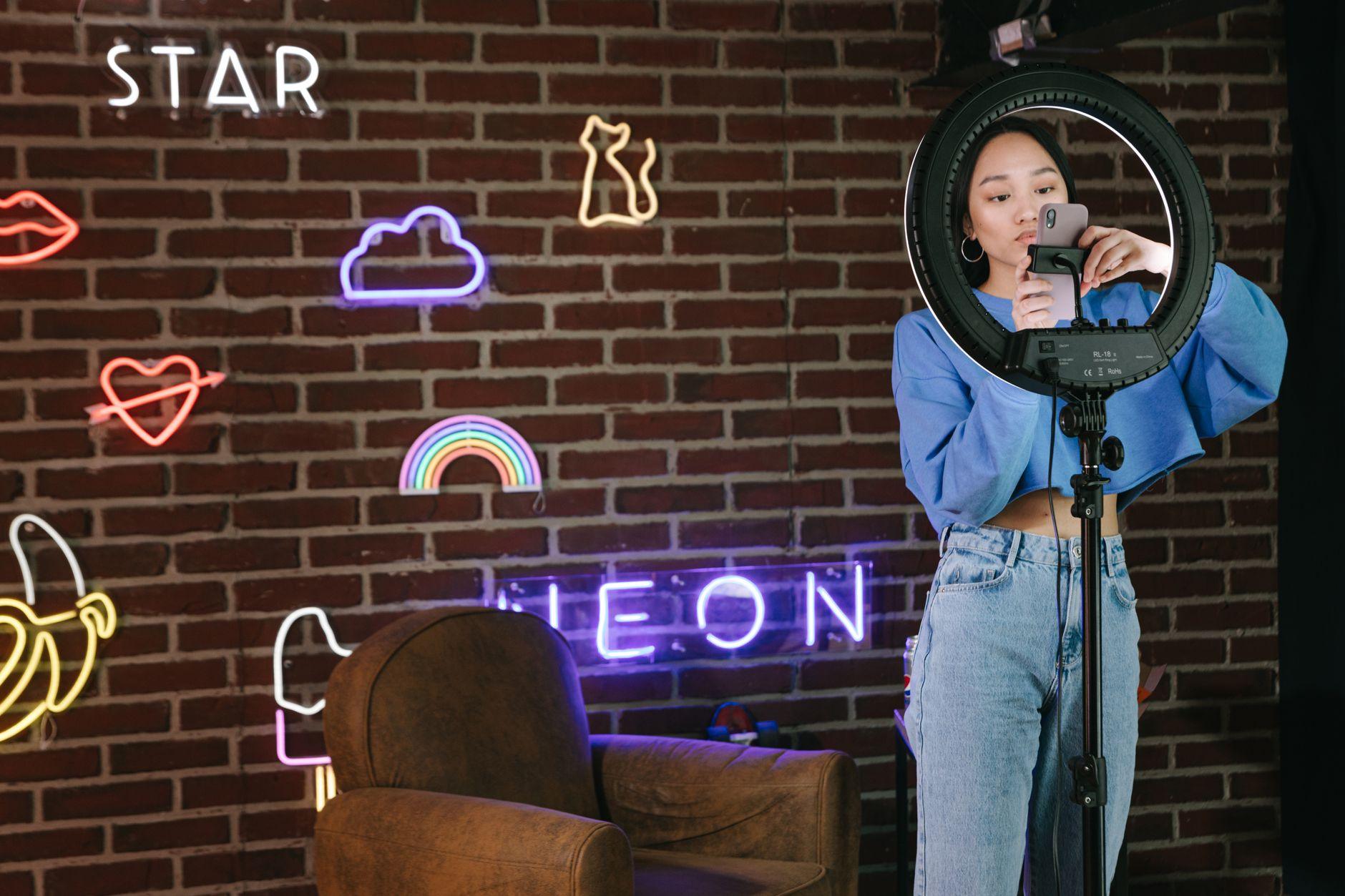
So, what’s the secret sauce? For starters, avoid having lights directly behind you. That’s a one-way ticket to silhouette city. Instead, aim for a “three-point lighting” setup. This involves a main light (the key light) to illuminate your face, a softer fill light on the opposite side to reduce harsh shadows, and a backlight (or hair light) to separate you from the background. Even a simple ring light placed in front of you, slightly above eye level, can make a dramatic difference. These lights can range from $20 for a basic LED panel to several hundred dollars for professional setups.
Honestly, I was shocked when I first saw the impact. I thought throwing a desk lamp my way would be enough. Nope. It just created weird, unflattering shadows. The key light should be your primary focus. Think of it as the main actor on your lighting stage. You want it to be bright enough to make your face clear but not so bright that it’s blinding. Many streamers opt for softbox lights, which diffuse the light and create a much softer, more flattering glow. You can find decent softbox kits online for around $50 to $100.
A real criticism, though? This lighting setup stuff can get expensive fast, and it adds another layer of complexity to streaming. You’re not just fiddling with software settings anymore; you’re dealing with physical equipment. Plus, the “ideal” setup can vary depending on your room and the time of day. Sometimes, you’ll still get glare or odd reflections on your glasses, which is infuriating when you’re trying to look professional. It’s definitely a limitation that requires some experimentation.
Don’t underestimate the power of natural light either. A window directly in front of you, not behind, can provide beautiful, free illumination. Just be mindful of sunlight changes throughout the day. If you can’t control the ambient light, you might need to invest in dimmable lights or even blackout curtains. Finding the sweet spot where your face is well-lit without the rest of your room being excessively bright takes practice. Many influencers on platforms like YouTube use a combination of natural light and artificial sources to achieve a polished look.
My personal opinion? The cheapest, most impactful upgrade you can make to your stream isn’t a new graphics card, it’s a $30 LED panel from Amazon. Seriously. It’s a complete game-changer for how you appear on camera. You’ll look more professional, more engaging, and your viewers will notice. It’s about presenting yourself in the best possible light, literally. According to sources like Forbes, investing in quality lighting is often cited as a crucial step for content creators looking to elevate their production value without breaking the bank.
The real downside is that if you’re in a shared space, adding a bunch of extra lights might not be an option. Your roommate or family might not appreciate you turning your corner of the house into a mini film studio. Plus, all these lights draw power, which can add to your electricity bill, something often overlooked when discussing the costs associated with streaming. It’s not a massive increase, but it’s there. For context, even a few small LED panels can collectively draw a few hundred watts.
Ultimately, getting your lighting right is less about expensive gear and more about understanding how light works. You don’t need a Hollywood setup. A well-placed key light, a bit of fill, and avoiding direct backlighting will take you miles ahead of most new streamers. It’s a fundamental aspect of visual communication that many just don’t grasp. You’d be surprised how many successful streamers make do with surprisingly basic lighting setups, proving that technique trumps brute force. It’s a shame so many people think better lighting means spending thousands of dollars.