

The Unseen Soundtrack of Victory: How Sound Shapes Pro Gaming
It’s funny, when I first started getting serious about competitive multiplayer games, I thought it was all about reflexes and map knowledge. I spent hours grinding, trying to shave milliseconds off my reaction times and memorize every corner. Turns out, I was missing a huge piece of the puzzle: the audio cues. The sounds you hear in a game, from a distant gunshot to the specific thump of a rival player landing nearby, are just as critical as what you see. It’s like a whole other layer of information that separates the good players from the truly great ones.
I remember one particularly brutal Valorant match where my team was getting absolutely steamrolled. We were losing rounds left and right, and I was getting so frustrated I almost quit. Then, during a crucial defense, I heard it – the faint but distinct shink of a Recon Bolt being fired from the flank. Nobody else on my team seemed to pick up on it. I immediately repositioned, anticipating their push, and managed to snag a two-kill entry that swung the round. That little audio cue saved us, and we ended up winning that game. It’s moments like that which make you realize how much you’re relying on your ears.
The development of competitive gaming sound design has come a long way. Early games often had pretty basic sound effects, but now developers pour immense resources into making them precise and informative. Think about games like Counter-Strike 2. The thump-thump-thump of footsteps tells you exactly how close an enemy is, and whether they’re running, walking, or crouching. The distinct ping of a bomb plant, or the whistle of a grenade flying through the air – these aren’t just background noise; they’re critical alerts that demand immediate attention. Ignoring them is basically asking to be eliminated.
However, it’s not always perfect, and sometimes the audio design can be a real pain. I’ve played games where the sound effects are so cluttered during intense firefights that distinguishing crucial information becomes nearly impossible. It’s a cacophony of explosions, gunfire, and character voice lines, and honestly, it’s infuriating when you can’t tell if that crack you heard was a sniper shot or just some ambient noise. This is where some games really fall short, creating audio muddiness that can actively hinder competitive play.
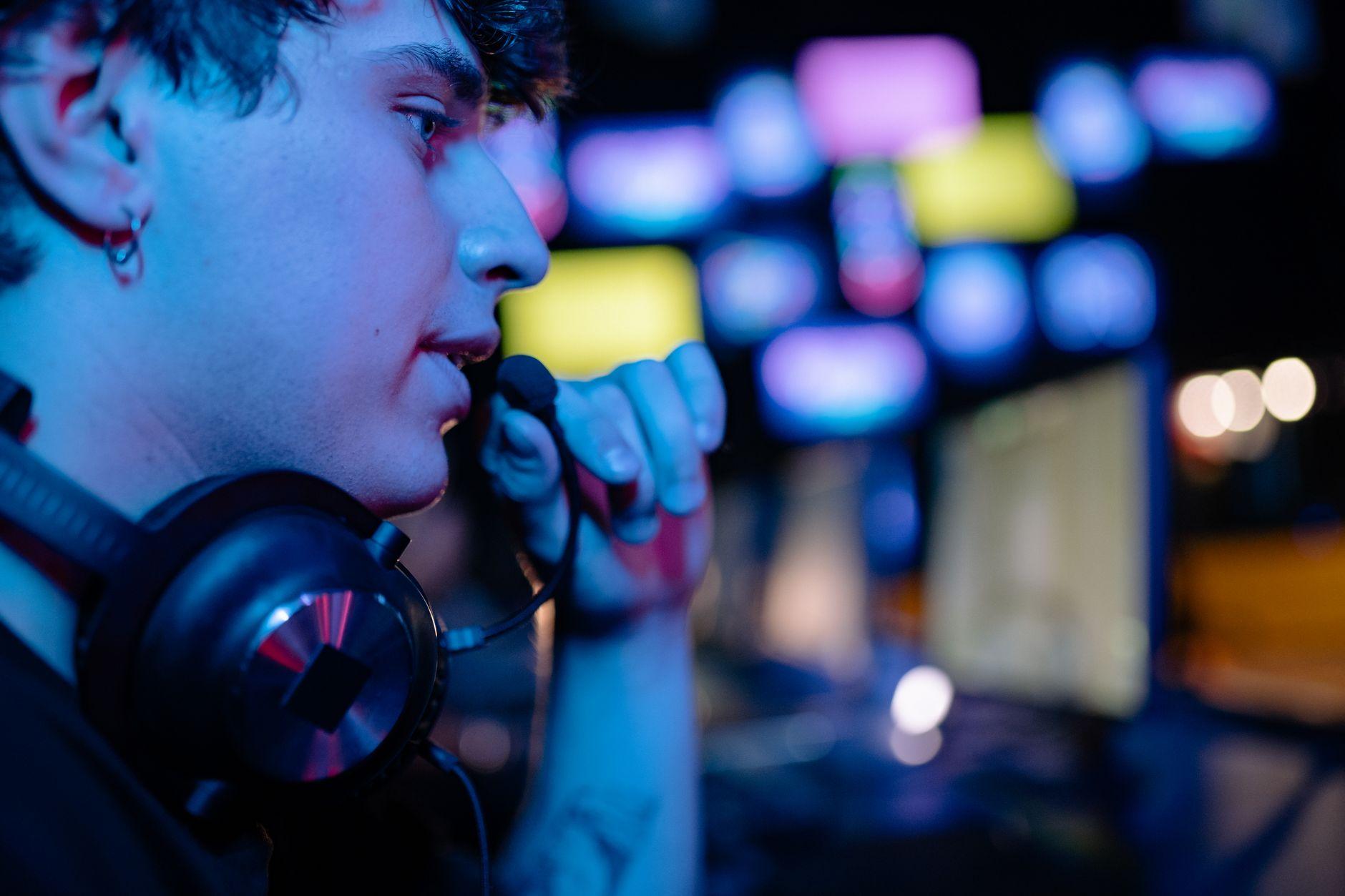
This reliance on sound has led to a whole ecosystem of audio technology specifically for gamers. High-quality gaming headsets are practically a requirement now. They’re designed to isolate and amplify specific game sounds, giving players a distinct advantage. Companies like Logitech and HyperX offer headsets with features like virtual surround sound, which attempts to simulate directional audio, giving you a sense of where sounds are coming from even if you can’t visually confirm it. It’s a far cry from the tinny speakers on my old Nintendo 64.
The sheer range of audio information is staggering. In Apex Legends, for example, the legend abilities have unique sound cues. You can tell if a Wraith is phasing, if a Gibraltar is deploying his dome shield, or if a Pathfinder is grappling. This allows for proactive plays and counter-plays. Knowing these sounds intimately can be the difference between winning a 1v3 clutch and getting wiped out before you even see the enemy. It’s a constant process of learning and adapting to the game’s sonic landscape.
Professional players often employ audio settings that might seem bizarre to a casual gamer. Many will turn down music volume to almost zero, and sometimes even adjust dialogue volume, just to ensure that the most important sound effects – like footsteps and gunfire – are as clear as possible. They might even invest in specialized audio software that further refines sound profiles, pushing the boundaries of what’s audibly possible within the game. It’s a level of dedication that shows just how vital audio perception is at the highest levels of esports.
Looking at the financial side, the gaming peripherals market, particularly for audio equipment, is a multi-billion dollar industry. Companies aren’t just selling headphones; they’re selling a competitive edge. According to NerdWallet, a significant chunk of a gamer’s budget can go towards gear, and headsets are a major component. This investment is driven by the undeniable impact sound design has on performance.
It’s genuinely surprising how many people still play competitive games with basic earbuds or laptop speakers. They’re essentially choosing to play with one hand tied behind their back. It’s like trying to navigate a busy city street blindfolded – you might get lucky, but you’re making things unnecessarily difficult for yourself. The competitive advantage gained from a decent sound system is so profound that it’s almost criminal not to leverage it.
The evolution of spatial audio in games is also a fascinating area. Technologies like Dolby Atmos and DTS:X are being integrated into more and more titles, promising a more immersive and accurate 3D soundscape. This doesn’t just mean explosions sound bigger; it means you can pinpoint the location of an enemy with even greater precision. Imagine hearing a footstep above you, behind you, and to your left all at once – it creates a level of situational awareness that was unthinkable even a decade ago. This advancement is a testament to the ongoing importance of audio engineering in game development.
Ultimately, the sounds in a video game aren’t just there to fill the silence. They are a carefully constructed language, a set of auditory signals that, when understood, unlock a deeper level of strategic play. Mastering these audio cues is as crucial as mastering any other mechanic, and anyone who ignores them is, quite frankly, choosing to remain in the sonic dark ages, destined to be outmaneuvered by those who are listening.